The Role of Good Nutrition in a Child’s Growth and Development
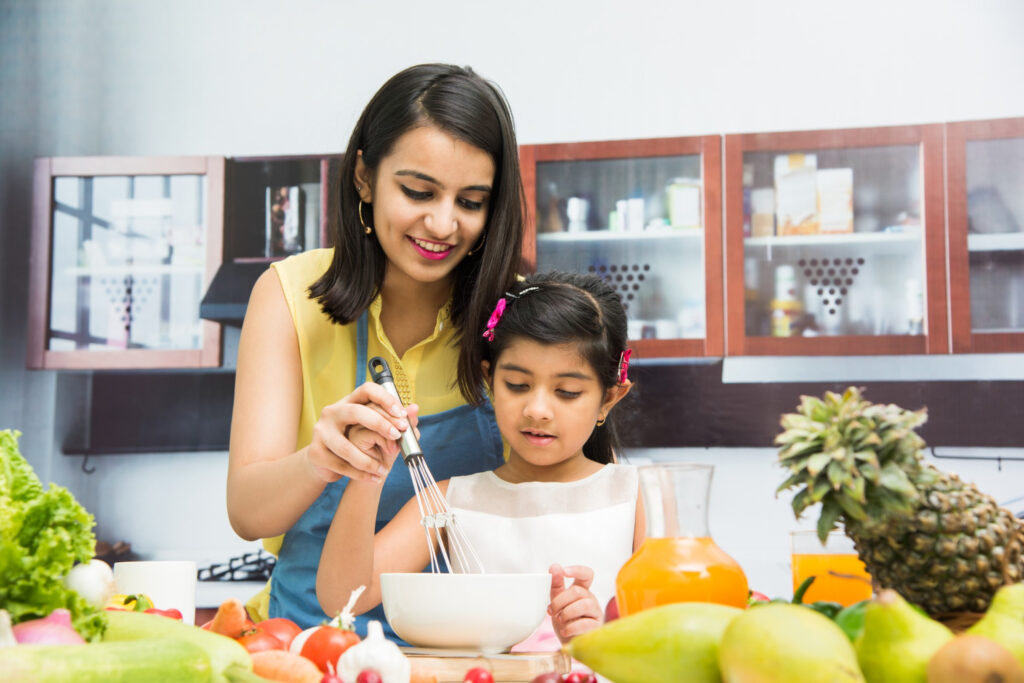
Every child deserves the opportunity to grow, learn, and reach their full potential. While love, education, and a safe environment all contribute to healthy development, good nutrition is the foundation that supports every stage of a child’s growth. From infancy through adolescence, the nutrients children receive influence not only how they grow physically but also how they think, learn, and build resilience against illness.
Good nutrition is about more than satisfying hunger. It means providing the right balance of nutrients that the body and brain need to develop properly. When children receive balanced nutrition during their early years, they are better prepared to lead healthier lives and make the most of every opportunity that comes their way.
Supporting Healthy Growth from the Start
Childhood is a period of rapid physical growth. During these years, children need adequate energy, protein, vitamins, minerals, and healthy fats to support the development of bones, muscles, organs, and tissues. Proper nutrition also strengthens the immune system, helping children fight infections and recover more effectively from illness.
On the other hand, inadequate nutrition can affect growth, weaken immunity, and increase the risk of nutritional deficiencies that may have lasting effects on overall health. Providing nutritious meals during the growing years helps children achieve important developmental milestones and supports their overall well-being.
Nutrition Fuels Brain Development and Learning
A child’s brain develops rapidly during the early years of life, making nutrition especially important during this stage. Essential nutrients support memory, concentration, language development, and problem-solving skills, all of which contribute to learning and cognitive development.
Children who are well-nourished are more likely to stay active, remain attentive in school, and participate confidently in learning activities. Good nutrition also provides the energy needed for play, exploration, and social interaction, all of which contribute to healthy emotional and intellectual development.
Supporting healthy eating habits from an early age helps children build the skills they need to succeed both inside and outside the classroom.
Healthy Habits Begin at Home
The eating habits children develop during childhood often continue into adulthood. Families and caregivers play an important role in helping children build a positive relationship with food by encouraging balanced meals, regular eating routines, and a variety of nutritious foods.
Including fruits, vegetables, whole grains, pulses, dairy or suitable alternatives, and protein-rich foods in daily meals helps meet children’s nutritional needs. At the same time, limiting foods high in sugar, salt, and unhealthy fats encourages healthier eating patterns that can reduce the risk of obesity and lifestyle-related diseases later in life.
Small, consistent choices made every day can have a lasting impact on a child’s health and well-being.
Communities Can Help Children Thrive
Ensuring that every child has access to good nutrition is a shared responsibility. Families are at the heart of this effort, but schools, healthcare providers, community organizations, and social foundations also have an important role to play.
Community nutrition programs, school meal initiatives, growth monitoring, nutrition education, and awareness campaigns help families make informed decisions about children’s health. These initiatives are particularly valuable in communities where access to nutritious food, healthcare, or reliable nutrition information may be limited.
When communities work together to improve child nutrition, they create an environment where children can grow healthier, perform better in school, and develop the confidence to reach their full potential.
Nourishing Today, Strengthening Tomorrow
Good nutrition is one of the greatest investments we can make in a child’s future. It supports healthy growth, strengthens learning, builds resilience against illness, and lays the foundation for lifelong well-being.
By making nutritious food, nutrition education, and community support a priority, we can help every child grow stronger and healthier. Every balanced meal, every informed choice, and every community initiative contributes to a future where children have the opportunity not only to survive but to thrive.