Protecting Vision Through Regular Eye Screenings
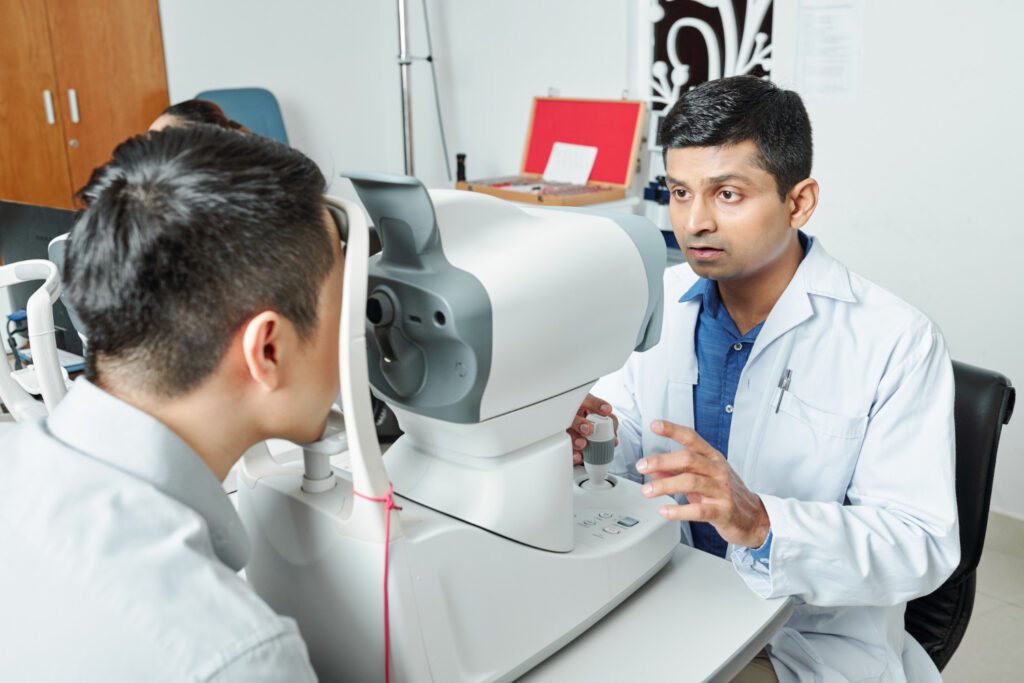
Good vision plays an essential role in every stage of life, from helping children learn in school to enabling adults to work safely and older adults to maintain their independence. Yet, many eye conditions develop gradually and show few warning signs in their early stages. By the time vision changes become noticeable, the condition may have already progressed. This is why regular eye screenings are one of the most effective ways to detect problems early and reduce the risk of preventable vision loss.
Why Early Detection Makes a Difference
Many eye diseases progress silently, making routine eye screenings an important part of preventive healthcare. Conditions such as glaucoma can gradually damage the optic nerve, while diabetic retinopathy may affect the retina long before symptoms appear. Regular eye examinations help detect these conditions early, when treatment is often more effective in preserving vision.
An eye screening can also reveal signs of underlying health conditions such as diabetes or high blood pressure, enabling individuals to seek timely medical care. Early detection not only protects eyesight but also supports better overall health and well-being.
Who Can Benefit from Regular Eye Screenings?
Eye screenings are valuable for people of all ages. Children benefit from early vision assessments that can identify conditions affecting learning and development. Adults can detect changes before they interfere with work or daily activities, while older adults are more likely to develop age-related eye conditions that require regular monitoring.
People living with diabetes, hypertension, a family history of eye disease, or those who spend prolonged hours using digital screens should be particularly mindful of routine eye examinations. Regular screenings help identify risks early and ensure appropriate follow-up care when needed.
Eye Screenings Are About More Than Vision Tests
Many people believe an eye examination is only necessary when they need glasses. In reality, a comprehensive eye screening evaluates the overall health of the eyes. Eye care professionals assess visual acuity, eye pressure, retinal health, and the condition of the optic nerve, along with other tests based on an individual’s age and medical history.
These assessments help identify a wide range of eye conditions before symptoms become noticeable. When detected early, many of these conditions can be effectively managed through treatment, regular monitoring, or simple corrective measures, helping individuals maintain healthy vision for longer.
Creating Healthier Communities Through Preventive Eye Care
Access to preventive eye care remains a challenge for many people due to limited awareness, financial barriers, or delayed health check-ups. Community eye screening camps and awareness initiatives help address these challenges by making eye care more accessible and encouraging people to prioritize regular screenings.
These programs educate families about common eye conditions, promote early detection, and connect individuals with timely medical care when further evaluation or treatment is needed. They are especially valuable for school-going children, older adults, and people living with chronic health conditions who may be at greater risk of vision impairment.
By encouraging regular eye screenings and improving access to preventive care, communities can help reduce avoidable vision loss while building greater awareness about the importance of lifelong eye health.
A Shared Commitment to Better Eye Health
Protecting vision begins with awareness and timely action. Regular eye screenings make it possible to detect problems before they affect daily life, giving individuals the best opportunity to preserve their eyesight and maintain their quality of life.
By encouraging routine eye examinations, supporting community eye health initiatives, and spreading awareness about the importance of preventive care, we can help more people protect their vision. Every step taken towards early detection contributes to healthier individuals, stronger communities, and a future where preventable vision loss becomes increasingly rare.