Clearer Vision Starts With Early Cataract Care
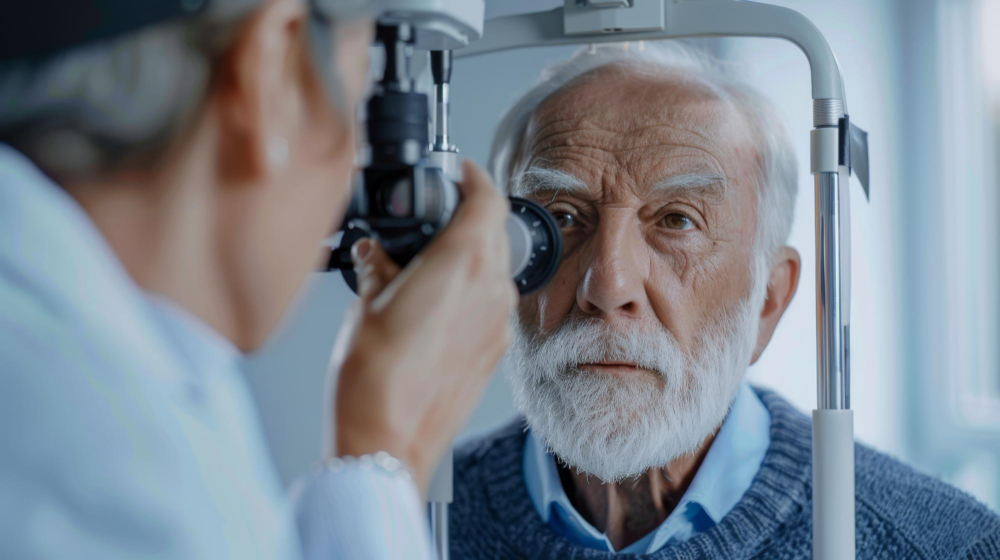
Cataracts are one of the most common causes of vision impairment, particularly as people grow older. They develop when the eye’s natural lens becomes cloudy, gradually reducing vision clarity. Cataracts can affect everyday activities such as reading, walking, recognizing faces, or traveling independently.
The good news is that cataract-related vision loss can often be treated. Recognizing changes in vision and getting an eye examination can help a person understand what is happening and when treatment may be appropriate.
When Vision Starts to Change
Cataracts usually develop gradually, so the changes may not always be obvious at first.
A person may notice:
- Blurred or cloudy vision
- Difficulty seeing clearly in low light
- Increased sensitivity to bright lights or glare
- Halos around lights
- Colors appearing less bright
- Frequent changes in glasses prescription
- Difficulty reading or carrying out familiar daily activities
These symptoms can have other causes too. An eye examination is important to understand what is affecting vision.
Why Early Eye Checks Matter
It is easy to adjust to slowly changing vision. Someone may simply stop reading for long periods, avoid going out after dark, or depend more on family members without realizing how much their eyesight has changed.
An eye examination can identify cataracts and help determine whether changes in vision are related to them or to another eye condition.
Early identification also creates an opportunity to discuss treatment options before vision loss begins to significantly interfere with everyday life.
Cataracts Can Affect More Than Sight
Reduced vision can change how a person manages everyday activities.
Difficulty seeing clearly can affect mobility, independence and confidence. For older adults, reduced vision may also make everyday tasks more difficult and can contribute to social isolation.
Restoring useful vision can therefore be about much more than seeing clearly. It can help people return to activities they enjoy and continue managing their daily lives more independently.
When Is Cataract Treatment Needed?
Not everyone with an early cataract needs surgery immediately.
If vision is still good and daily activities are not significantly affected, an eye specialist may recommend monitoring the cataract and having regular eye examinations.
When cataracts begin to interfere with activities such as reading, driving, or other everyday tasks, surgery may be discussed. For people whose vision cannot be adequately improved with glasses or contact lenses, cataract surgery is an effective treatment that removes the cloudy lens and replaces it with an artificial lens.
Cataract Surgery Can Restore Useful Vision
Cataract surgery involves removing the cloudy natural lens and replacing it with an artificial intraocular lens.
It is one of the most commonly performed procedures for restoring vision and is considered a highly cost-effective eye-care intervention.
The decision to undergo surgery should be made in consultation with an eye specialist, after considering the person’s vision, daily activities, overall health, and individual circumstances.
Do Not Ignore Changing Vision
Age is the most important risk factor for cataracts, but other factors can also contribute to their development or progression. These include diabetes, prolonged exposure to ultraviolet radiation, tobacco use, certain medicines such as corticosteroids and previous eye injury.
This makes regular eye care particularly important for people who may have additional risk factors.
If vision becomes increasingly blurred, colors appear different, glare becomes difficult to manage or everyday activities become harder, an eye examination is a sensible next step.
Access to Treatment Matters
Knowing that cataract can be treated is only part of the solution. Many people still face barriers such as cost, limited access to eye-care services, lack of awareness or hesitation about surgery. Globally, about half of the people who need cataract surgery still do not have access to it, with women disproportionately affected.
This is why awareness, accessible screening and timely referral are so important, particularly for older adults and communities where regular eye care may not be easily available.
Give Your Eyes the Attention They Deserve
Cataracts do not have to mean living with permanent loss of useful vision. Recognizing changes early, getting an eye examination, and understanding available treatment options can help people make informed decisions about their eye health.
For families, it can also mean noticing when an older parent or relative is struggling to see, even if they do not openly talk about it.
A clearer tomorrow can begin with something as simple as getting a change in vision checked today.