How Blood Donation Drives Help Build a Stronger, Healthier Community
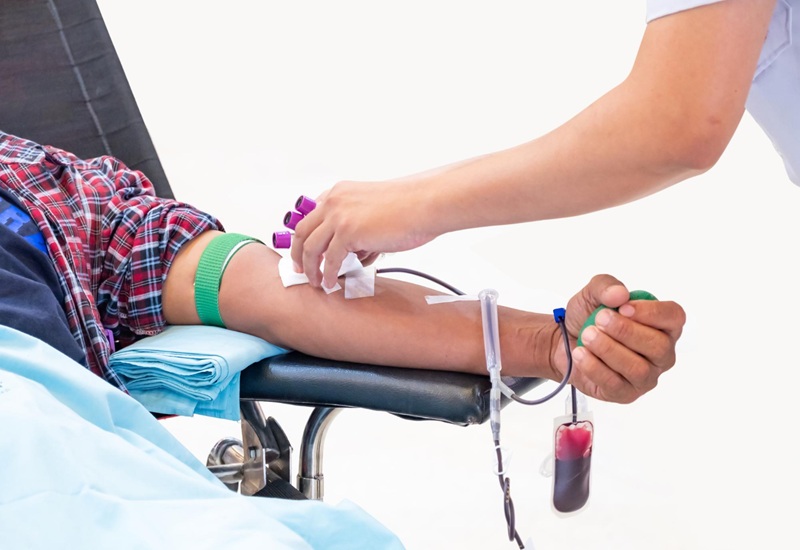
A healthy community is one that comes together when someone needs help the most. Blood donation is one of the simplest yet most powerful ways to support others. Since blood cannot be manufactured and has a limited shelf life, hospitals rely on regular voluntary donations to care for patients during emergencies, surgeries, cancer treatment, childbirth, and the management of chronic illnesses. Community blood donation drives make this possible by turning individual acts of generosity into a collective effort that saves lives throughout the year.
One Donation Can Help More Than One Life
Many people are surprised to learn that a single blood donation can benefit multiple patients. After donation, blood is separated into different components, including red blood cells, plasma, and platelets. Each component serves a different medical purpose and can be used to treat patients with varying health conditions.
For example, red blood cells are commonly used during surgeries and to treat severe blood loss, platelets are essential for many cancer patients undergoing chemotherapy, and plasma is used to treat trauma, burns, and certain medical conditions. This means that one voluntary donation has the potential to support the treatment of several individuals, making every donor an important part of the healthcare system.
Why Community Blood Donation Drives Matter
Although many people are willing to donate blood, they may not always know where or when to do so. Community blood donation drives make the process more convenient by bringing donation opportunities closer to where people live, work, and study.
Organized in collaboration with hospitals, blood banks, educational institutions, workplaces, residential communities, and social organizations, these drives help remove barriers that often discourage potential donors. Participants receive a health assessment before donating, ensuring that the process is safe for both donors and recipients.
Regular donation drives also help maintain a steady blood supply throughout the year. This is especially important because different blood components can only be stored for a limited time. Consistent community participation helps ensure that hospitals have adequate supplies available whenever patients need them.
Creating Awareness That Inspires Action
Blood donation drives do much more than collect blood. They also create opportunities to educate people about the importance of voluntary blood donation and address concerns that may prevent them from participating.
Many first-time donors hesitate because they are uncertain about the donation process or have heard common myths about blood donation. Awareness sessions conducted during these drives help explain who can donate, the safety measures followed, and the simple steps involved in donating blood. By replacing fear with accurate information, these initiatives encourage more people to donate with confidence.
They also inspire conversations within families, workplaces, and communities. When donors share their experiences, they motivate others to participate, helping transform a one-time donation into a lifelong commitment to saving lives.
Strengthening Communities Through Collective Responsibility
A strong healthcare system depends not only on hospitals and medical professionals but also on the active participation of the community. Blood donation drives demonstrate how collective action can directly improve access to life-saving care for those who need it most.
Healthcare organizations, educational institutions, businesses, community groups, and social foundations all have an important role in encouraging voluntary blood donation. By organizing regular drives and promoting awareness, these organizations help foster a culture of compassion, responsibility, and service.
Beyond meeting immediate medical needs, these initiatives strengthen community resilience. They encourage people to contribute to a shared cause, knowing that their small act of kindness could make a life-saving difference for someone they may never meet.
Every Donation Builds a Healthier Tomorrow
The need for blood exists every day, making regular voluntary donations essential for patient care. Participating in a blood donation drive is more than a charitable act. It is a meaningful contribution to public health and a reminder that saving lives is a responsibility we can all share. By donating blood, encouraging others to become donors, and supporting community blood donation initiatives, each of us can help build a stronger, healthier community where hope is always within reach.