Your Health Matters: Cancer Screening Every Woman Should Know About
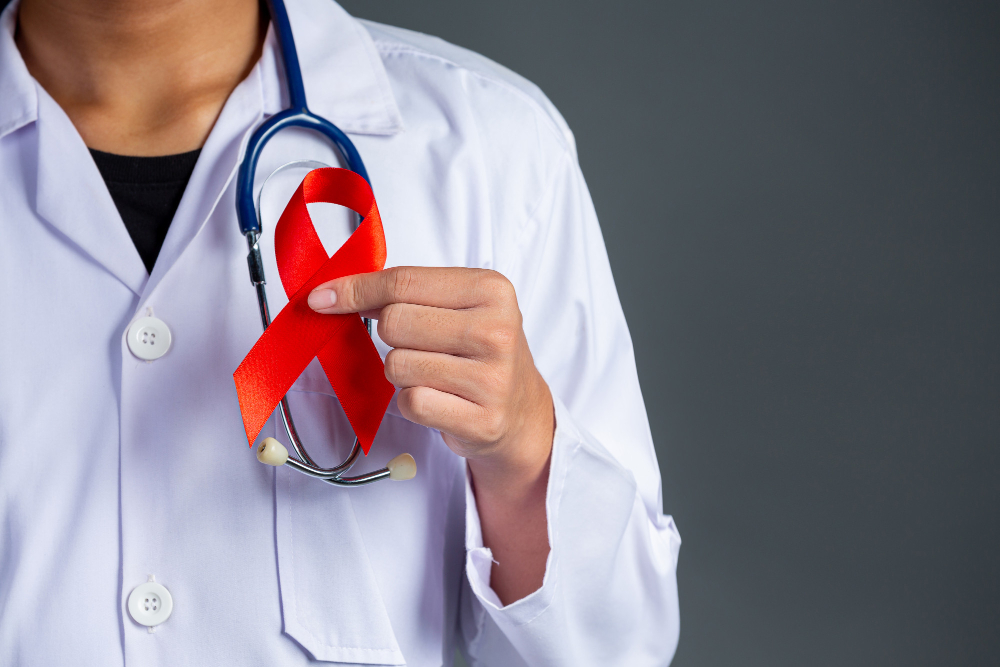
Women often spend much of their time looking after their families, work, and responsibilities, while their own health takes a back seat. A health check is often considered only when something feels wrong.
But cancer screening is different. Some screening tests can help find certain cancers or early changes before symptoms appear. Finding a problem early can give a woman more options for timely care.
There is no single screening schedule that works for every woman. Age, family history, personal health, and individual risk can all affect when screening should begin and how often it may be needed.
Breast Cancer Screening
Breast cancer is one of the most common cancers affecting women, making breast health an important part of preventive care.
Mammography is one of the main tests used to screen for breast cancer. For women at average risk, screening is generally considered starting around age 40, although the timing and frequency can vary depending on individual circumstances.
Women with a strong family history or other factors that increase their risk may need to begin screening earlier or follow a different plan.
It is also important to pay attention to changes in your breasts. A new lump, a change in breast size or shape, unusual nipple discharge, skin changes, or another unexplained change should be discussed with a healthcare professional rather than waiting for the next screening appointment.
Cervical Cancer Screening
Cervical cancer is another important area of women’s health because screening can identify changes in the cervix before they develop into cancer.
Depending on age, health history, and the screening method being used, women may be offered an HPV test, Pap test, or another recommended test. The time between screenings can vary, so it is best to follow the schedule advised by your healthcare professional.
HPV vaccination is also an important part of preventing cervical cancer. Vaccination and screening can work together to offer better protection.
What About Ovarian Cancer?
Many women wonder whether they should have regular scans to check for ovarian cancer.
For women at average risk who have no symptoms, there is currently no routine screening test recommended for ovarian cancer.
That does not mean changes should be ignored. Persistent bloating, abdominal or pelvic discomfort, feeling full unusually quickly, or changes in bowel or bladder habits can have many causes. But if these changes are new, unusual, or keep returning, it is worth discussing them with a doctor.
Women with a strong family history of ovarian, breast or certain other cancers may have a higher risk and should discuss their individual risk with a healthcare professional.
Does Family History Matter?
It can.
If your mother, sister, daughter, or another close relative has had breast, ovarian, colorectal, or certain other cancers, tell your doctor.
Having a family history does not mean you will definitely develop cancer. But it can affect your risk and may mean that screening needs to begin earlier or be done differently.
Knowing your family’s health history can therefore be an important part of looking after your own health.
What If You Feel Completely Healthy?
Feeling healthy does not always tell you what is happening inside your body.
Screening is generally meant for people who do not have symptoms. Its purpose is to look for certain cancers or early changes before they become noticeable.
However, if you already have a concerning symptom, do not wait for your next routine screening. A new lump, unusual bleeding, persistent pain, or another unexplained change should be discussed with a healthcare professional.
Screening Is Not the Same for Every Woman
A woman in her 20s may have different screening needs from a woman in her 50s. Similarly, a woman with a strong family history may need a different approach from someone at average risk.
Your doctor may consider:
- Your age
- Family history
- Previous screening results
- Personal health history
- Lifestyle and other risk factors
- Any symptoms or changes you have noticed
This is why following a screening plan suited to you is more useful than following a general checklist.
Prevention Goes Beyond Screening
Cancer prevention is not limited to screening tests.
Not using tobacco, staying physically active, maintaining a healthy weight, eating a balanced diet, and limiting alcohol can help reduce the risk of several cancers. For cervical cancer, HPV vaccination is another important preventive measure.
Knowing your family history and paying attention to changes in your body are also simple ways to take an active role in your health.
Make Time for Your Health
Cancer screening can be easy to postpone, especially when you feel well and have a family, work, and other responsibilities to manage. But knowing which screenings are right for your age and risk can help you make informed choices about your health. If you have questions about when to begin or how often to screen, a conversation with a healthcare professional can help.
Stay Informed, Stay Ahead
Looking after your health is not about being afraid of cancer. It is about knowing your risks, understanding the checks that may be right for you and paying attention when something changes.
When women have the information and care they need, they are better placed to make decisions for their health and the future they want for themselves and their families.