Why Organ Donation Matters: Giving Someone a Second Chance at Life
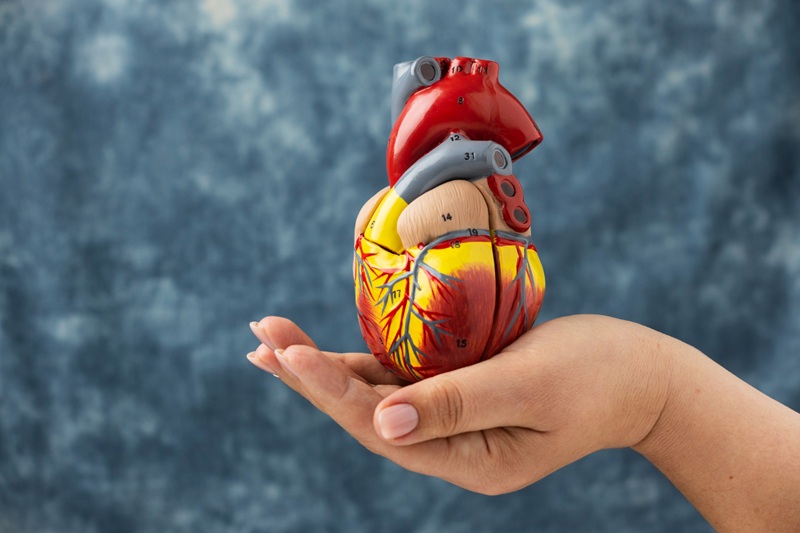
For people living with end-stage organ failure, a transplant can offer something many of us take for granted: a chance to live longer, regain independence, and spend more time with loved ones. While medical science has made transplantation increasingly successful, thousands of patients continue to wait for a suitable donor. The greatest challenge today is not a lack of medical expertise but a shortage of donated organs. Building greater awareness about organ donation is one of the most important steps toward giving more people the opportunity for a healthier future.
One Decision Can Change Many Lives
Organ donation is a remarkable act of generosity that allows healthy organs or tissues to be transplanted into individuals whose own organs are no longer functioning properly due to illness, injury, or congenital conditions. Depending on medical suitability, a single donor can save multiple lives while improving many others through tissue donation.
For someone with advanced kidney disease, a transplant can mean freedom from regular dialysis. For patients with severe liver, heart, or lung disease, it can provide the opportunity to return to everyday activities and spend meaningful time with family. Tissue donation, including corneal, skin, and bone tissue donation, can restore vision, support reconstructive procedures, and improve quality of life. In each case, a successful transplant creates a ripple effect, bringing hope not only to recipients but also to the families who stand beside them throughout their journey.
Why So Many People Continue to Wait
The need for organ transplants continues to rise as chronic diseases such as diabetes, hypertension, kidney disease, and liver disorders become more common. Advances in healthcare have made transplantation a highly effective treatment, but available donor organs have not kept pace with growing demand.
As a result, many patients spend months or even years on transplant waiting lists. For some, the wait becomes longer than their medical condition allows. Raising awareness about organ donation can help bridge this gap and give more patients the chance to receive timely, life-saving treatment.
Awareness Can Turn Intention into Action
Many people support the idea of organ donation but never take the next step. Some believe they may be too old to donate, while others assume existing medical conditions automatically make them ineligible. In reality, suitability is determined by medical experts at the time of donation.
Another common misconception is that registering as an organ donor could affect the quality of medical care received. Healthcare professionals always prioritize saving a patient’s life, and organ donation is considered only after every possible life-saving effort has been made and strict medical criteria have been met.
Equally important is discussing your decision with your family. Open conversations ensure your wishes are understood and help loved ones make informed decisions during emotionally difficult times.
Building a Culture of Giving
Creating lasting change requires more than individual decisions. It requires collective awareness. Healthcare organizations, educational institutions, community groups, and social foundations all play an important role in encouraging conversations around organ donation and helping people understand its life-saving impact.
Community awareness programs, educational sessions, and public campaigns can address misconceptions, answer questions, and inspire people to make informed choices. When more individuals understand the value of organ donation, they become advocates within their own families and communities, helping create a culture where giving the gift of life is viewed as an act of compassion and shared responsibility.
A Legacy That Lives On
Organ donation is one of the most meaningful ways to make a lasting difference. It transforms loss into hope, giving patients the opportunity to celebrate milestones, pursue dreams, and spend precious moments with the people they love.
By learning about organ donation, having open conversations with your family, and supporting awareness initiatives within your community, you can help create a future where fewer people lose their lives waiting for a transplant. Take action today, because sometimes the greatest legacy we leave behind is not measured by what we achieve, but by the lives we make possible.