The Role of Public Health Awareness in Disease Prevention
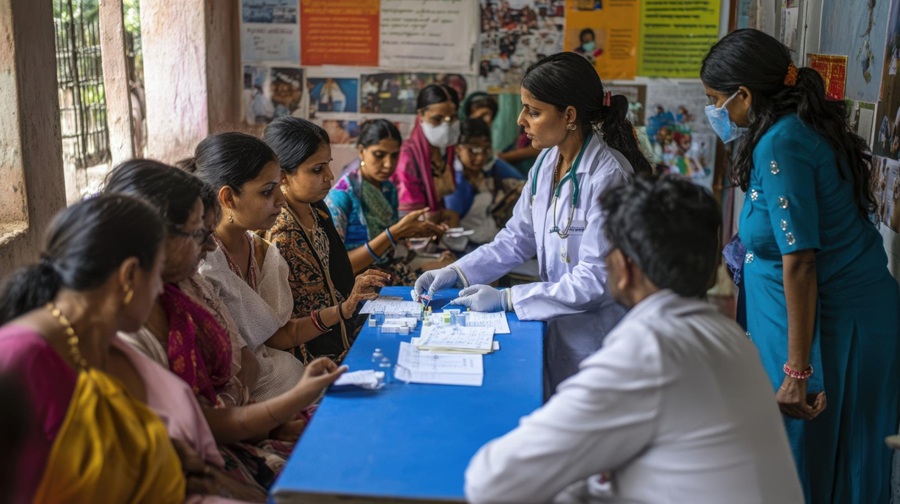
Disease prevention is one of the most effective ways to improve public health and reduce the burden on healthcare systems. While medical advancements have significantly improved the diagnosis and treatment of diseases, preventing illnesses before they occur remains equally important. Public health awareness plays a vital role in this effort by equipping individuals with the knowledge needed to understand health risks and adopt preventive measures.
Through education, outreach initiatives, and community engagement, public health awareness encourages healthier behaviours and greater participation in preventive healthcare services. As both communicable and non-communicable diseases continue to affect populations worldwide, raising awareness remains an essential component of improving community wellbeing.
Creating Awareness for Healthier Lives
Public health awareness refers to efforts that educate people about health risks, disease prevention, and practices that support overall wellbeing. Information is shared through healthcare institutions, government initiatives, educational programmes, community organisations, and digital platforms.
Awareness helps people understand how diseases develop, how they spread, and the steps that can reduce risk. Access to accurate health information enables individuals to take proactive steps to protect themselves and their families.
Promoting Preventive Healthcare Practices
Preventive healthcare focuses on identifying potential health concerns before they become serious. Public education campaigns play a crucial role in encouraging regular health check-ups, screenings, and early medical consultations.
Many chronic conditions, including diabetes, hypertension, and certain cancers, can develop gradually without noticeable symptoms in their early stages. Awareness efforts help people recognise the importance of routine screenings and timely intervention. Early detection often leads to better treatment outcomes, reduces complications, and improves quality of life.
Encouraging Healthy Lifestyle Habits
Many of today's most common health challenges are linked to lifestyle-related factors. Poor dietary habits, physical inactivity, tobacco use, excessive alcohol consumption, and inadequate sleep can increase the risk of several chronic diseases.
Public health campaigns promote balanced nutrition, regular physical activity, stress management, and other healthy lifestyle practices. These efforts help individuals understand how everyday choices influence long-term health outcomes.
Strengthening Immunisation and Disease Control Efforts
Vaccination is one of the most effective public health measures for preventing infectious diseases. However, successful immunisation programmes depend on public understanding and participation.
Health promotion campaigns provide accurate information about vaccines, address misconceptions, and highlight the importance of timely immunisation. Increased awareness often leads to higher vaccination rates, helping protect both individuals and the broader population.
Public education also plays an important role during disease outbreaks by promoting preventive measures and encouraging adherence to public health guidelines. These efforts help reduce transmission and support disease control initiatives.
Improving Hygiene and Sanitation Practices
Basic hygiene and sanitation practices are essential for preventing many infectious diseases. Public health education often focuses on promoting hand hygiene, safe drinking water, proper sanitation, and responsible waste management.
Schools, community groups, and local organisations often help reinforce these important hygiene practices. Improved awareness of hygiene and sanitation contributes to healthier living conditions and helps reduce the incidence of preventable illnesses, particularly in underserved areas.
Combating Health Misinformation
The widespread availability of information has made health education more accessible than ever. At the same time, inaccurate or misleading information can create confusion and influence health-related decisions.
Public awareness initiatives help address this challenge by providing reliable, evidence-based information through trusted sources. Strengthening health literacy also helps individuals evaluate information critically and distinguish credible guidance from misinformation.
Building Health-Conscious Communities
Public health awareness extends beyond individual behaviour and contributes to the wellbeing of entire communities. When people understand the importance of prevention, they are more likely to participate in health programmes, support public health initiatives, and encourage healthy practices within their families and social networks.
Community-wide awareness efforts can foster a culture where prevention becomes a shared responsibility. This collective approach helps improve health outcomes, reduce disease burden, and create environments that support healthier living.
Creating a Culture of Prevention
Public health awareness is a powerful tool in disease prevention. By promoting preventive healthcare, encouraging healthy habits, supporting immunisation, improving hygiene practices, and strengthening health literacy, awareness initiatives empower individuals and communities to take proactive steps towards better health.
As health challenges continue to evolve, sustained efforts to educate and engage communities will remain essential in fostering a healthier and more resilient society.