How NGOs Are Transforming Rural India Through Community Development
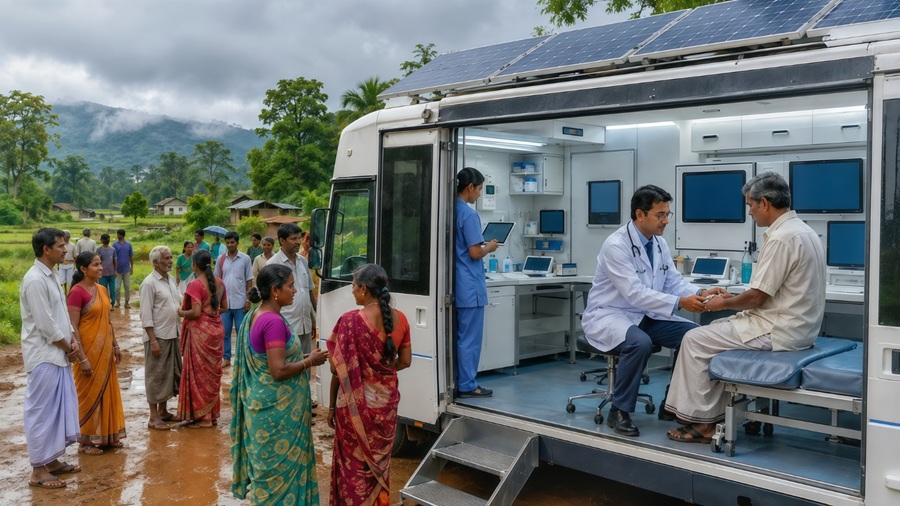
Rural India is home to a significant portion of the country’s population and plays a vital role in its social and economic growth. Despite considerable progress over the years, many rural regions continue to face challenges related to healthcare access, education, sanitation, livelihood opportunities, and social development. Limited infrastructure and a lack of awareness often make it difficult for residents to access essential services that can improve their quality of life.
NGOs play an important role in rural development by helping bridge gaps in healthcare, education, livelihoods, and social welfare. Their efforts have transformed countless villages across India, creating pathways for healthier and more self-reliant populations.
Strengthening Access to Healthcare
Access to quality healthcare remains a challenge in many rural areas, where medical facilities and specialist services may be limited. NGOs play a crucial role in bringing healthcare closer to underserved populations through health camps, mobile medical units, screening initiatives, and educational outreach.
Many organisations focus on preventive healthcare by educating people about nutrition, hygiene, maternal health, vaccination, and the early detection of diseases. Programmes that support maternal and child health have been particularly impactful, contributing to better healthcare access for women and children in remote regions.
By connecting residents with healthcare services and promoting health literacy, NGOs help create a stronger foundation for long-term wellbeing.
Expanding Educational Opportunities
Education is one of the most effective tools for social transformation, yet many children in rural areas continue to face barriers to learning. Limited resources, inadequate infrastructure, and economic challenges can affect school attendance and educational outcomes.
NGOs have helped address these challenges through initiatives that support schools, provide learning materials, offer scholarships, and promote digital education. Many organisations also work to encourage school enrolment and reduce dropout rates, particularly among girls.
Beyond formal education, many NGOs provide vocational training and digital literacy programmes that help young people prepare for employment and future opportunities.
Empowering Women and Local Communities
Women”’s empowerment is a key component of sustainable rural development. Across India, NGOs have introduced initiatives that support women’s education, skill development, financial literacy, and entrepreneurship.
Self-help groups have become an important platform for empowering women in rural areas. Through these groups, women gain access to training, savings programmes, and income-generating activities that strengthen their economic independence.
Community participation helps ensure that development efforts are relevant, effective, and sustainable. When local residents actively contribute to identifying challenges and implementing solutions, initiatives are more likely to achieve lasting impact.
Supporting Livelihood and Economic Development
Sustainable livelihoods are central to rural development, influencing household income, food security, and economic resilience. Many NGOs work with farmers, artisans, and small business owners to strengthen income opportunities and encourage self-sufficiency.
Agricultural initiatives may provide training on modern farming techniques, water conservation, crop diversification, and sustainable practices. These efforts help increase productivity while promoting responsible use of natural resources.
Vocational training programmes also equip individuals with practical skills that can improve employment prospects. Entrepreneurship support and financial inclusion initiatives further enable rural families to build more secure livelihoods.
Promoting Sanitation and Public Health Awareness
Improved sanitation and hygiene practices have a direct impact on community health. NGOs have played a significant role in promoting awareness about sanitation, safe drinking water, waste management, and personal hygiene.
Outreach initiatives often encourage healthy practices that help prevent infectious diseases. Awareness campaigns in schools and villages educate individuals about the importance of hand hygiene, clean water, and proper sanitation facilities.
Building Sustainable Rural Development
One of the most significant contributions of NGOs is their focus on sustainable development. Rather than providing short-term solutions, many organisations work to build local capacity and encourage community ownership of development initiatives.
Partnerships with local leaders, healthcare providers, educational institutions, and government agencies help ensure that programmes continue to benefit people for years to come. By empowering individuals with knowledge, skills, and resources, NGOs help create meaningful improvements that extend beyond a single project or intervention.
Creating Lasting Change in Rural India
NGOs continue to play a vital role in improving quality of life across rural India. Their work strengthens access to essential services, supports economic development, and empowers individuals to participate in the growth of their communities.
As rural regions continue to evolve, the efforts of NGOs remain essential in fostering inclusive development and creating sustainable change across the country.